Seville Heritage Park, perched on the north shore of Saint Ann’s Bay, stands as the cradle of Jamaican history—where Taino, Spanish, African and English narratives converge in a story stretching back over a millennium. Once the Taino village of Maima, later the first European capital of Jamaica (Sevilla la Nueva), then a thriving African–European plantation landscape, Seville’s layers offer a unique window into the intersection of cultures that forged our island’s identity.
A Unique Continuum: Seville Heritage Park is the only site in Jamaica where you can stand atop a Taino village, explore the ruins of the first Spanish capital (Sevilla la Nueva) and wander through a 17th-century British plantation—all within a single 300-acre landscape. This uninterrupted archaeological record of indigenous, Spanish and British rule makes Seville truly unparalleled on the island.
The Taino Legacy at Maima
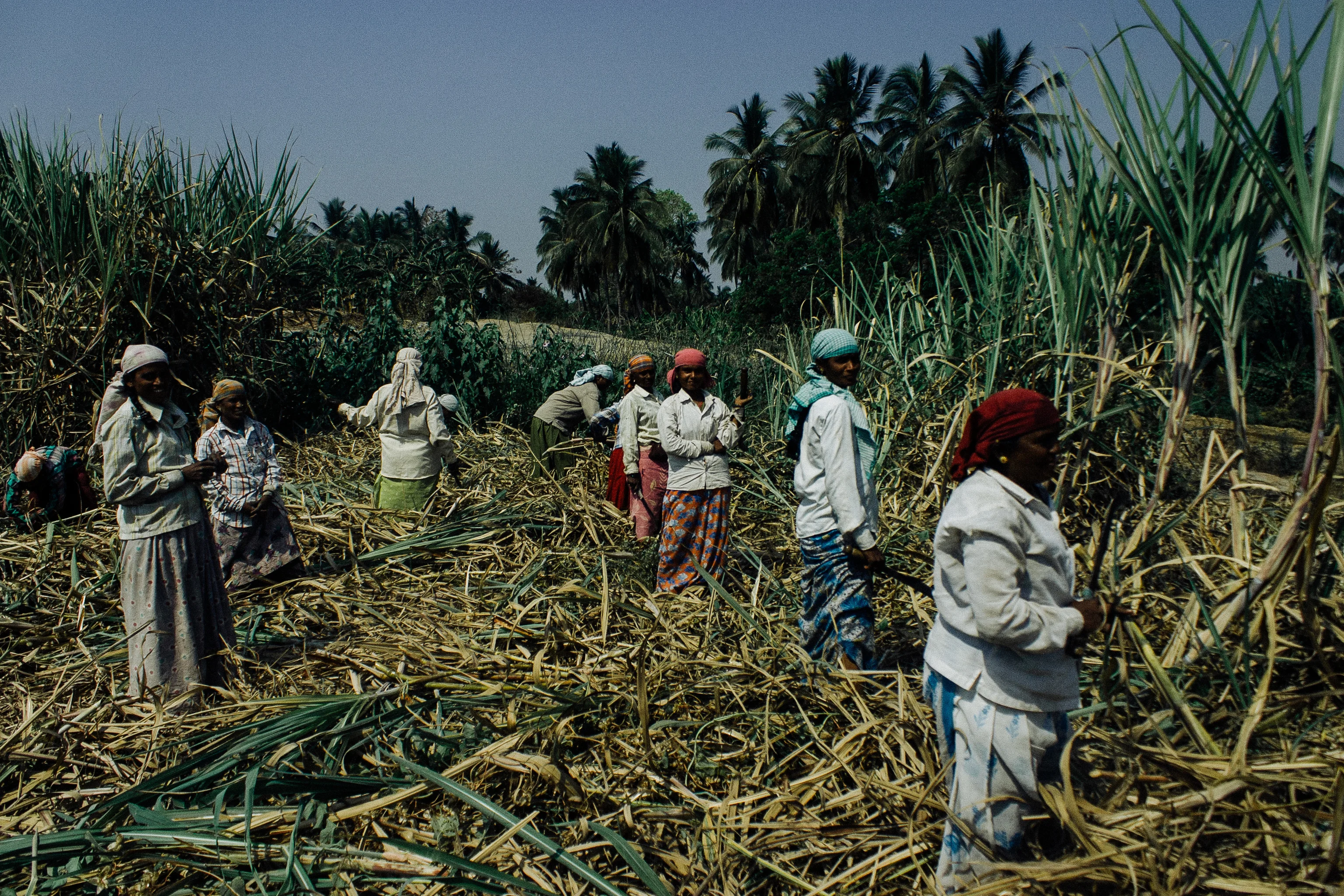
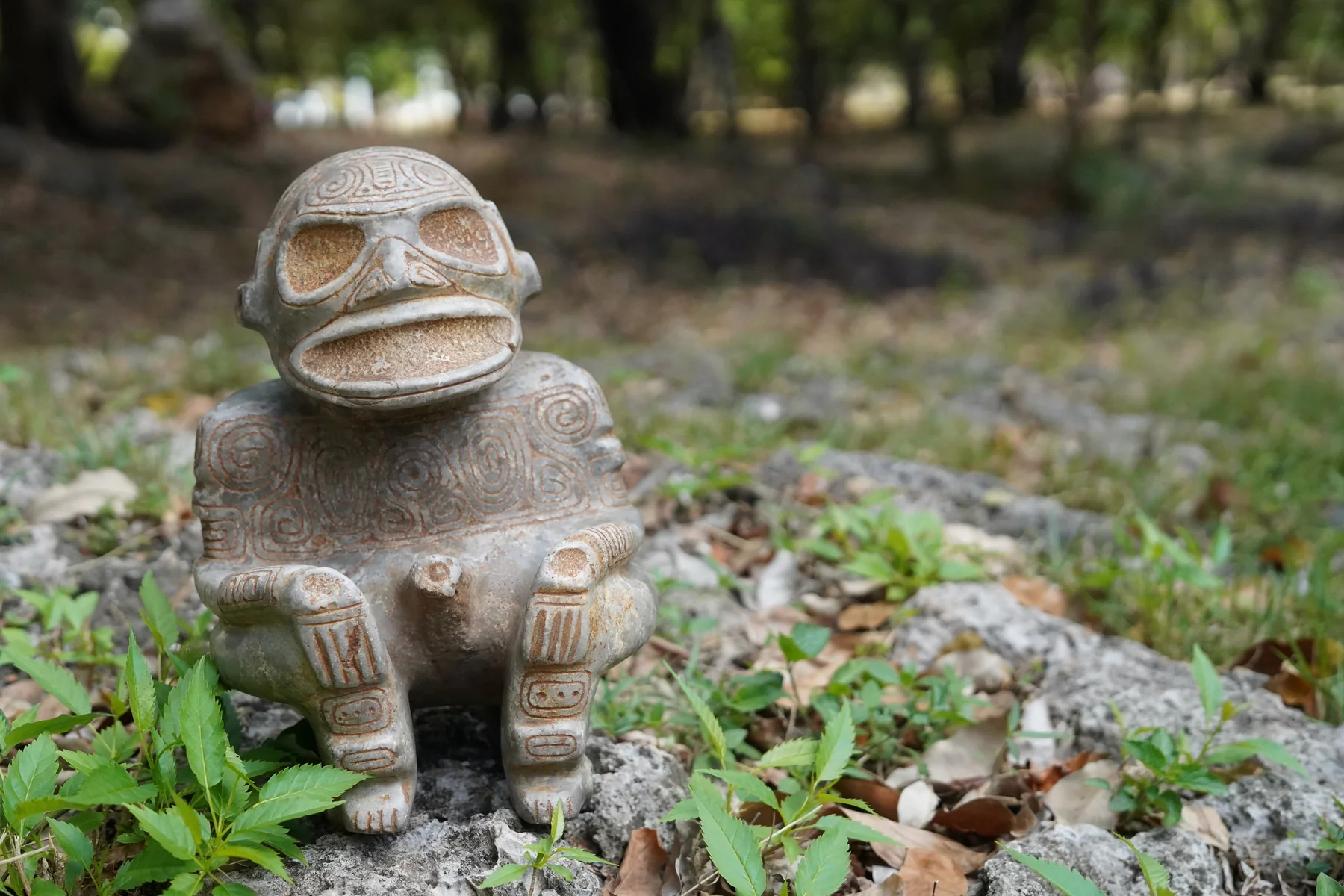
Long before European sails appeared on the horizon, the Taino of Maima thrived in harmony with Jamaica’s rivers and seas. Arriving from South America around 500 CE, they built wooden canoes, cultivated cassava, maize, and cotton, and fished the Caribbean’s bounty. Excavations have revealed house foundations, pottery shards, and tools—testimony to a peaceful, sophisticated society whose spirit endures in the island’s very name, Jamaica, derived from the Taino Xaymaca, meaning ‘Land of Wood and Water.’
Jamaica’s First Capital: Sevilla la Nueva (1509–1534)
In 1509, the Spanish established Sevilla la Nueva on the site of the Taino village of Maima, making it the first capital of Jamaica. Governor Juan de Esquivel forcibly appropriated the Taino village to establish Sevilla la Nueva, imposing the encomienda system that conscripted Taino men into harsh labor to build the fortress, church of St. Peter Martyr and Jamaica’s first sugar mill. Under brutal conditions—marked by forced labor, punitive expeditions and the spread of European diseases—an estimated 80–90 percent of the island’s Taino perished within decades, part of the broader Taíno genocide across the Caribbean.
The African Presence at Seville: Foundations of Jamaican Identity
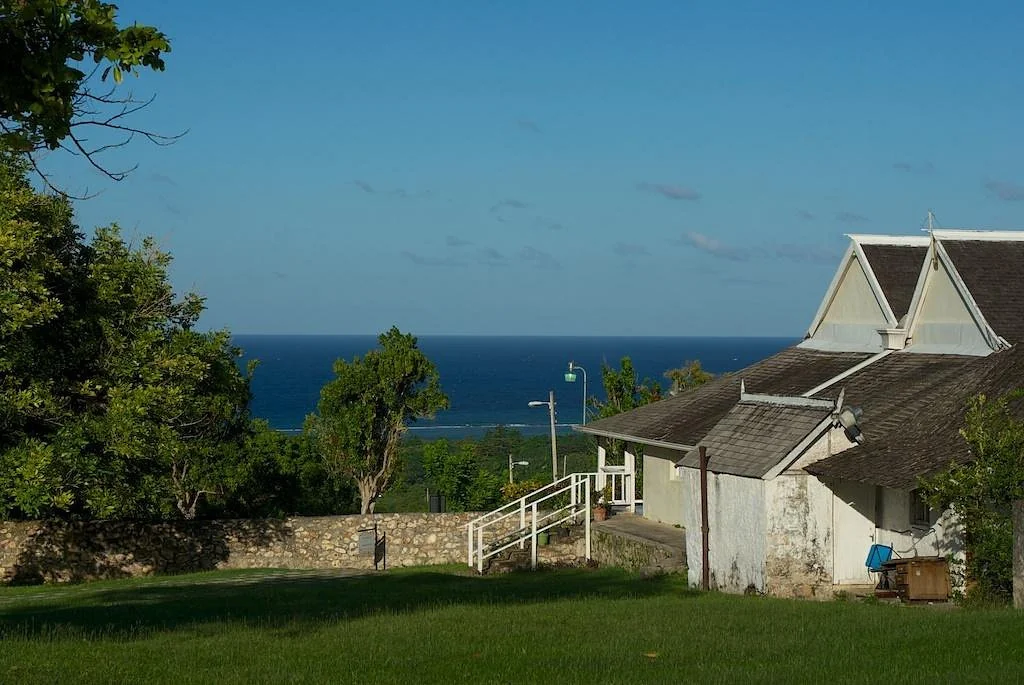
Though first brought by the Spanish in the early 1500s, it was under British rule that Africans came to Seville in large numbers, forcibly transported as part of the Transatlantic Slave Trade. By the late 1600s, Seville had grown into a full-scale sugar plantation, and hundreds of enslaved Africans lived, worked, and died on this land.
Excavations have uncovered traces of African domestic life—clay cooking pots, African cultural adaptions of tobacco pipes, fragments of housing—all revealing not just survival, but community. Oral traditions, ancestral knowledge, music, language patterns, and religious practices preserved by Africans at Seville seeded much of what we now know as Jamaican culture.
Following emancipation in 1834, many formerly enslaved Africans chose to remain in the area, forming free villages near the estate. Their descendants contributed to a legacy of resilience and creativity that continues to define Jamaica. Today, more than 90% of Jamaicans are of African descent, and Seville stands as both a memorial to their ancestors’ suffering and a celebration of their strength.
Modern Renewal: From National Monument to UNESCO Tentative List
1971: Government acquisition of the 300-acre estate ensured public stewardship. 1999: The Jamaica National Heritage Trust (JNHT) declared Seville a National Monument. 2009: Jamaica submitted Seville Heritage Park to UNESCO’s World Heritage Tentative List, recognizing its outstanding universal value as the genesis of multicultural Jamaica. 2010–2012: Under the leadership of JNHT Chairman Ainsley Cohen Henriques, a J$19 million refurbishment transformed the Great House into a 21st-century museum with interactive exhibits, audio-visual simulations and curated artifacts.
“Seville is perhaps the most historic site in the Western Hemisphere,” remarked Henriques at the 2012 opening, underscoring the park’s role in telling Jamaica’s global story.
Why Seville Deserves World Heritage Inscription
Seville Heritage Park encapsulates the full arc of Jamaica’s cultural evolution—from the ingenuity of the island’s first inhabitants to the upheavals of colonial conquest and beyond. Its uninterrupted archaeological record preserves: Taino Innovation and Catastrophe, The First European Capital, African Enslavement and Resistance, and the British Plantation Economy.
Just a few miles down the coast from Seville Heritage Park lies St. Ann’s Bay, the birthplace of Pan-Africanist leader Marcus Garvey. Born in 1887, Garvey’s vision of global Black unity grew from the same shores where Taino, African and European cultures first intertwined.
Inscribing Seville on the UNESCO World Heritage List would not only safeguard its integrity but also affirm Jamaica’s role in global history. As Ainsley Henriques has championed, “Seville is our roots, and its protection is our shared responsibility.”