Coconuts are deeply rooted in Jamaican life, growing wild along coastlines and thriving in the island’s tropical climate. Whether they’re sipped on a beach, simmered in a Sunday stew, or infused into a luxurious spa treatment, coconuts embody the fusion of nature and tradition. For generations, Jamaicans have made full use of the coconut—not just for food and drink, but for tools, medicine, crafts, and commerce.
In rural communities, the coconut tree is often referred to as the “tree of life.” Families use every part: leaves for thatching, husks for kindling or rope, shells for utensils, and the fruit itself for sustenance. In recent years, artisanal coconut products—from handmade oils to crafts and skincare—have added value to local economies and provided sustainable livelihood opportunities.
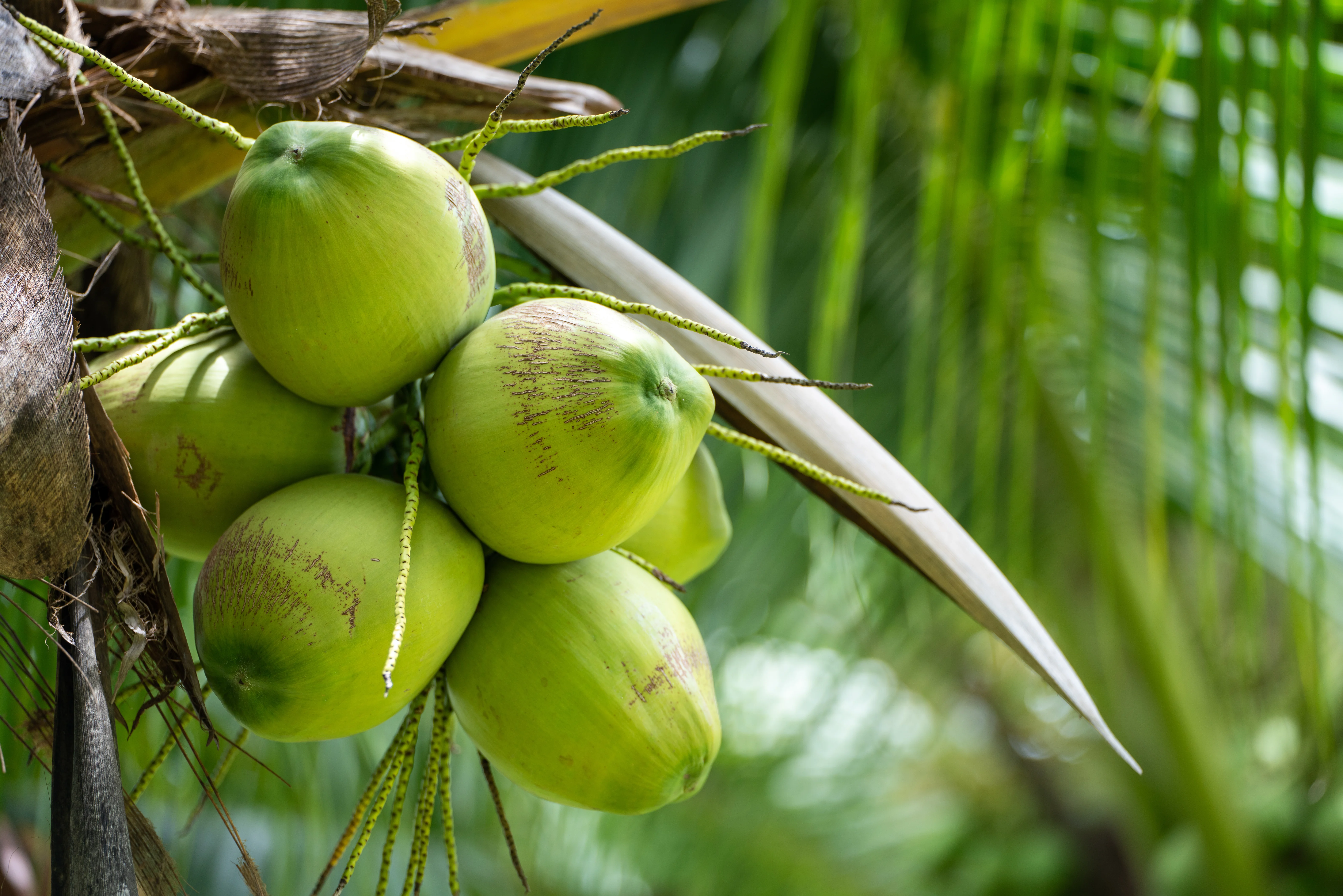
Coconut Water & Jelly
The clear liquid inside young, green coconuts is nature’s sports drink—refreshing, lightly sweet, and packed with electrolytes like potassium and magnesium. It’s perfect for hydration on a hot day or after physical activity. Vendors islandwide serve it fresh—sometimes even chilled, and often with the soft jelly scooped out afterward.
Soft and tender, this early-stage coconut meat is a delicacy. Rich in healthy fats and subtly sweet, it’s often enjoyed straight from the shell with a spoon crafted from its husk.
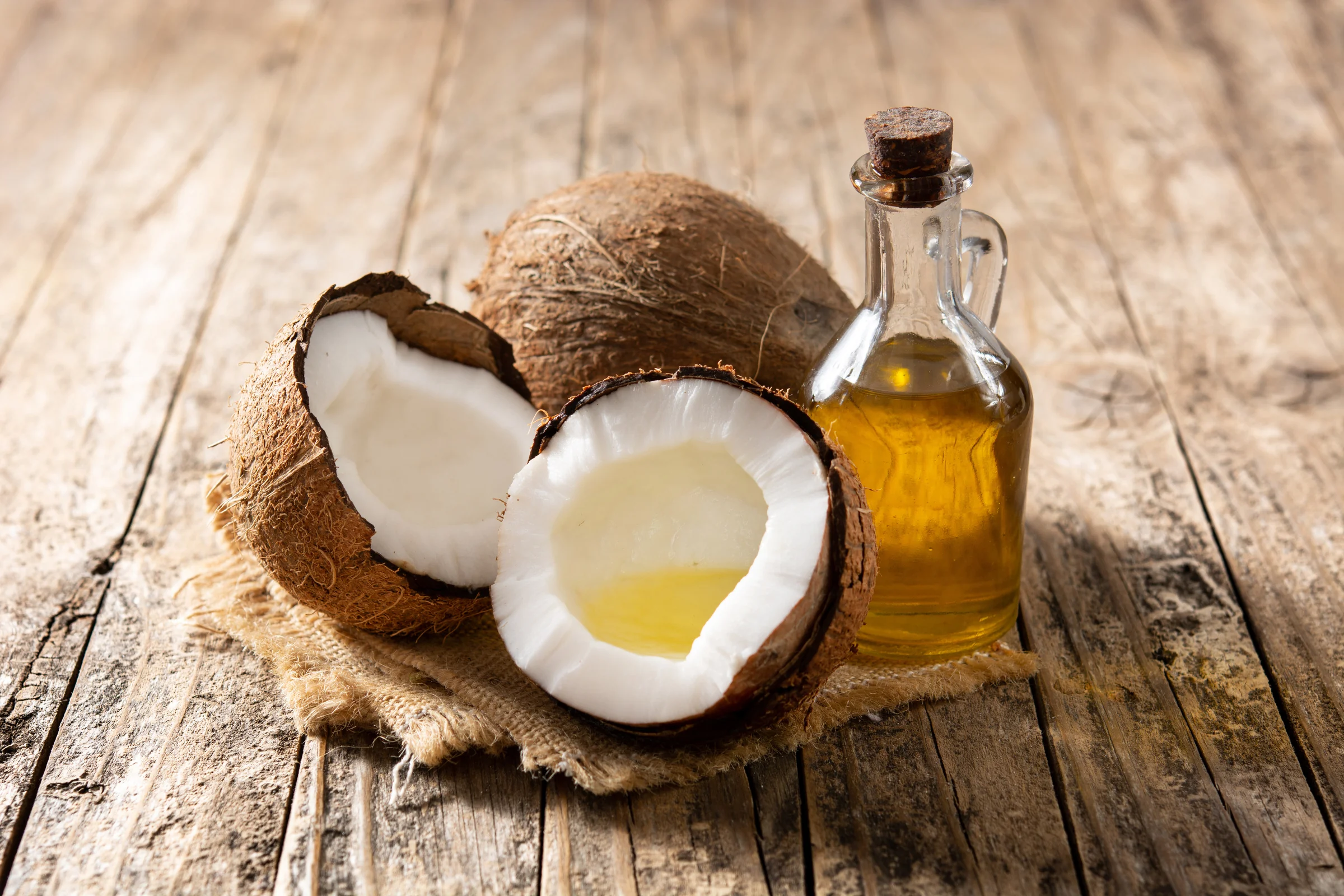
Culinary Staples
As coconuts age, the meat becomes firmer and is grated or chopped for use in both savory and sweet dishes. It’s a key ingredient in Jamaican classics like rice and peas, coconut rundown, and beloved desserts like gizzada and coconut drops.
Made from pressed grated coconut, coconut milk and cream are staples in the Jamaican kitchen. Coconut milk adds depth and creaminess to soups, stews, curries, and sauces, while the thicker cream is used in desserts or to enrich traditional recipes.
Coconut Oil & Dried Coconut
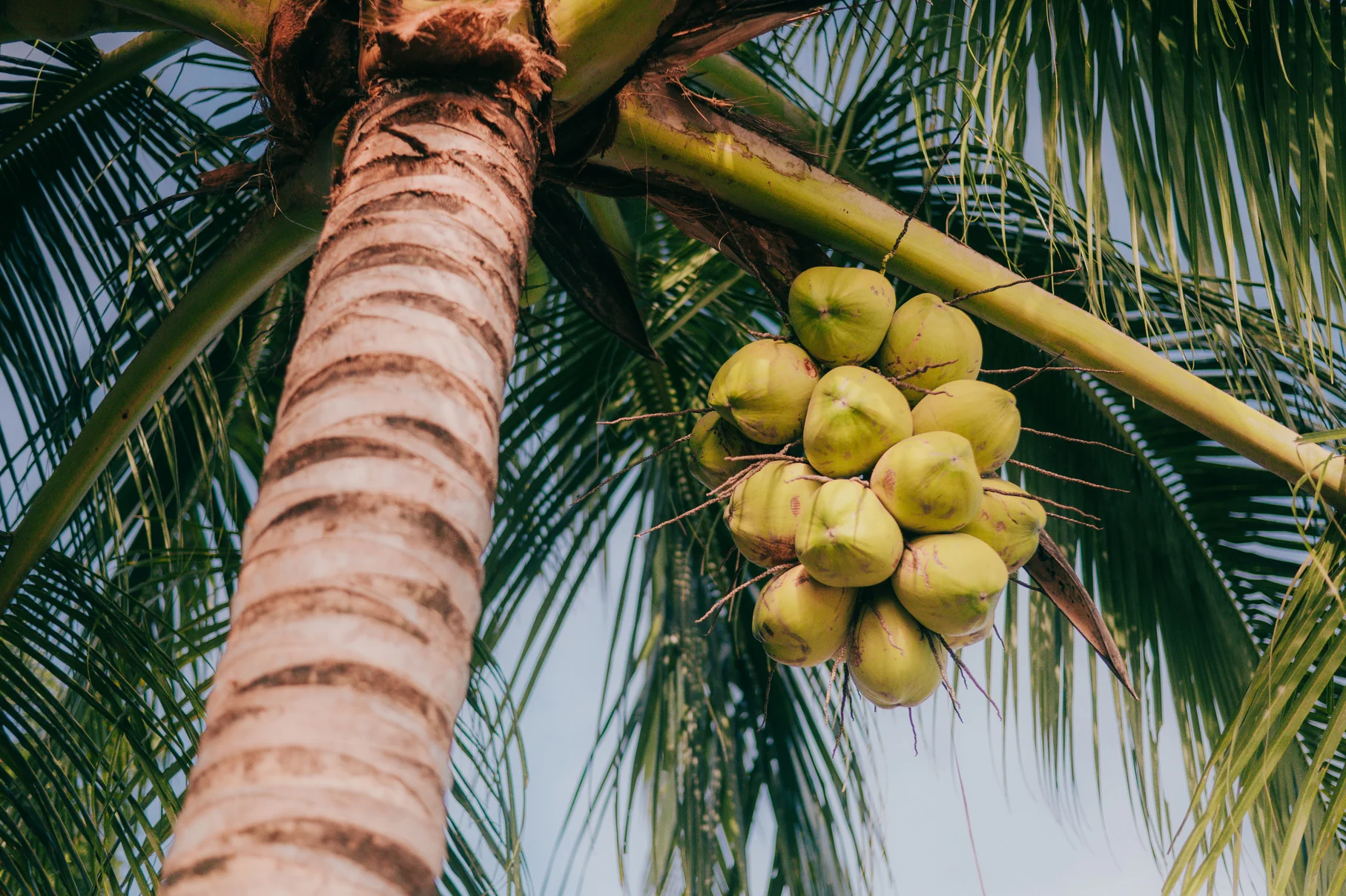
Extracted from the dried meat, coconut oil is valued for both culinary and cosmetic uses. Jamaicans use it in cooking, hair care, skin moisturization, and even traditional remedies. Virgin coconut oil has gained global recognition for its health benefits and natural healing properties.
Often used in commercial oil production, copra is also a base ingredient in soaps, candles, lotions, and balms—many of which are handmade in Jamaica and sold in local markets and export shops.
Coconut Husk & Shell
The fibrous outer layer of the coconut is traditionally used as a natural scrubber in Jamaican households. Beyond that, the fibers—called coir—are processed into eco-friendly products like coir mats and rugs, bristled brushes, ropes and twine, and erosion control netting for agriculture and landscaping.
The hard shell of the coconut is far from waste—it’s creatively repurposed for charcoal (widely used in Jamaican cooking and grilling), bowls and utensils, buttons, jewelry, and decorative crafts, musical instruments like maracas, and fuel in rural areas.
Frequently Asked Questions
How is coconut used in Jamaican culture?
Coconut is integral to Jamaican cuisine and culture. Coconut milk is used in rice and peas, curries, and desserts. Coconut water is a popular natural beverage, and coconut oil is used in cooking, hair care, and traditional remedies.
What products are made from Jamaican coconut?
Jamaica produces coconut oil, coconut water, coconut cream, grated coconut for baking, coconut-based desserts like gizzada and grater cake, and coconut rum. The shells are also used for crafts and charcoal.
Where are coconuts grown in Jamaica?
Coconut palms grow throughout Jamaica, particularly along coastal areas. Major growing regions include St. Thomas, Portland, and St. Mary parishes on the eastern end of the island.