
The Zingiberaceae family — better known as the ginger family — includes 58 genera and over 1,600 species of flowering plants. These aromatic herbs thrive mainly in tropical and subtropical regions, producing creeping rhizomes rich in essential oils and therapeutic compounds.
From the Tropics with Flavor and Function
Among them, ginger (Zingiber officinale) stands out for its dual role as both a culinary staple and a natural medicine, earning global acclaim in kitchens, pharmacies, and traditional healing systems alike. With its bold flavor, distinctive aroma, and centuries-old legacy, ginger is more than just a spice — it's a symbol of healing, tradition, and cultural exchange.
The part we consume — the rhizome or underground stem — has been revered for thousands of years in India and China, where it served as a tonic root for a wide range of ailments. Though widely cultivated today across tropical and subtropical regions, ginger's true wild origin remains unknown.
Even its name has traveled through history — from the Sanskrit srngavera ("horn root," inspired by its shape), to Greek ziggiberis and Latin zinziberi, before arriving in Middle English as gingivere.
"Jamaica was once one of the world's top three ginger producers." — International Trade Centre, 1980
A Jamaican Legacy Rooted in History
Ginger arrived in Jamaica around 1525, brought by Spanish settlers. Its earliest cultivation took place in St. Ann, but farmers soon discovered that the cooler, elevated regions — especially Christiana — offered ideal soil and climate conditions for growing the crop.
By the mid-20th century, Jamaica was recognized among the world's leading ginger producers, alongside India and Sierra Leone. A 1980 survey reported more than 1,100 acres of ginger under cultivation across Clarendon, Manchester, and Trelawny.
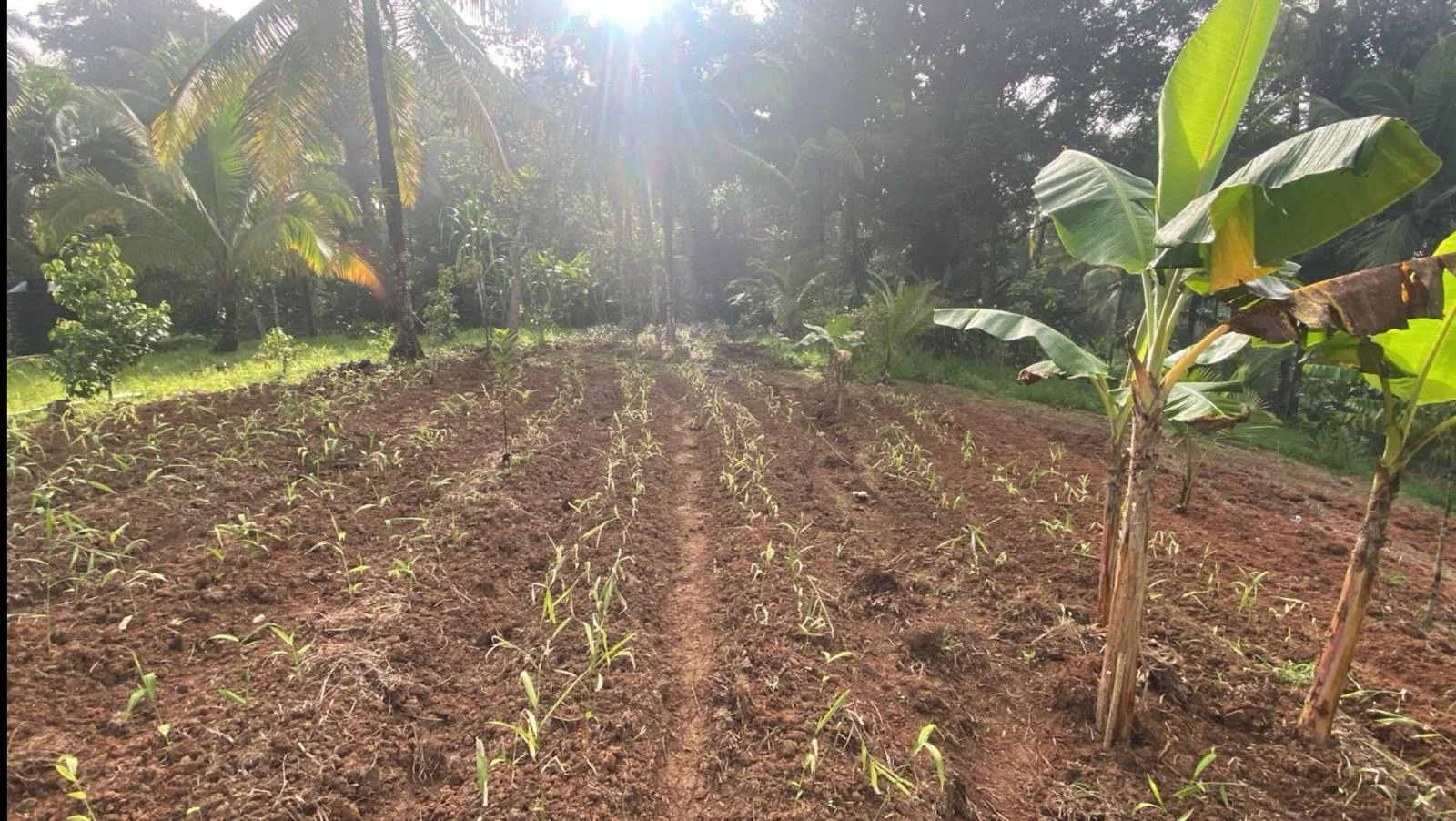
Jamaican ginger remains prized for its superior quality and flavor. It is typically planted between May and early August to align with the rainy season and harvested 210–240 days later. The crop thrives in warm, humid conditions and under partial shade.
Traditionally propagated by dividing seed rhizomes, farmers today also use single-bud technology, which requires less planting material and reduces root rot in young ginger — a technique proven to be efficient and sustainable.
Agriculture, tradition, and the land — harvesting Jamaica's golden root in Christiana
A Healing Herb with Ancient Roots
Ginger owes its signature heat and aroma to ketones, particularly gingerols, which are the focus of modern scientific research for their health benefits. These compounds are known for anti-inflammatory, analgesic, and antioxidant effects.
When ginger is dried or heated, gingerols convert into shogaols, compounds with even stronger medicinal properties. This transformation enhances the healing potential of dried ginger, making it a valued ingredient in both traditional remedies and modern therapies.
Young Ginger: Nature's Fresh Medicine
Traditionally, Jamaicans use only the rhizome, but the leaves, young shoots, and early rhizomes — harvested about six months after planting — are also edible.
Delicate in flavor yet powerful in effect, young ginger offers a gentle, juicy spice packed with antioxidants and digestive aids. It soothes nausea, boosts circulation, supports immunity, and may even enhance heart and brain health.
Milder and less fibrous than mature ginger, it's often used fresh in teas, tonics, and raw dishes, making it a wholesome addition to everyday wellness routines.
Edible Ornamentals: Jamaica's Lesser-Known Ginger Gems
Most Jamaicans know ginger for its fiery flavor, but the island also grows several ornamental ginger species — some wild, others cultivated for beauty — that are edible and rich in flavor and function. Though underused locally, these plants are celebrated in cuisines and traditional medicine around the world.
White Turmeric (Curcuma zedoaria) — Slightly bitter, with a hint of unripe mango. Used as a spice and starch, with anti-inflammatory and digestive benefits.
Butterfly Ginger (Hedychium coronarium) — Fragrant white flowers used as fresh garnish in salads and desserts.
Mioga Ginger (Zingiber mioga) — Shoots, leaves, flower spikes, and rhizomes are all edible. Popular in Japanese cuisine, especially with sushi.
Shampoo Ginger (Zingiber zerumbet) — Bitter, less flavorful than culinary ginger. Used in traditional remedies and natural flavoring. Leaves and flowers can wrap food, similar to banana leaves.
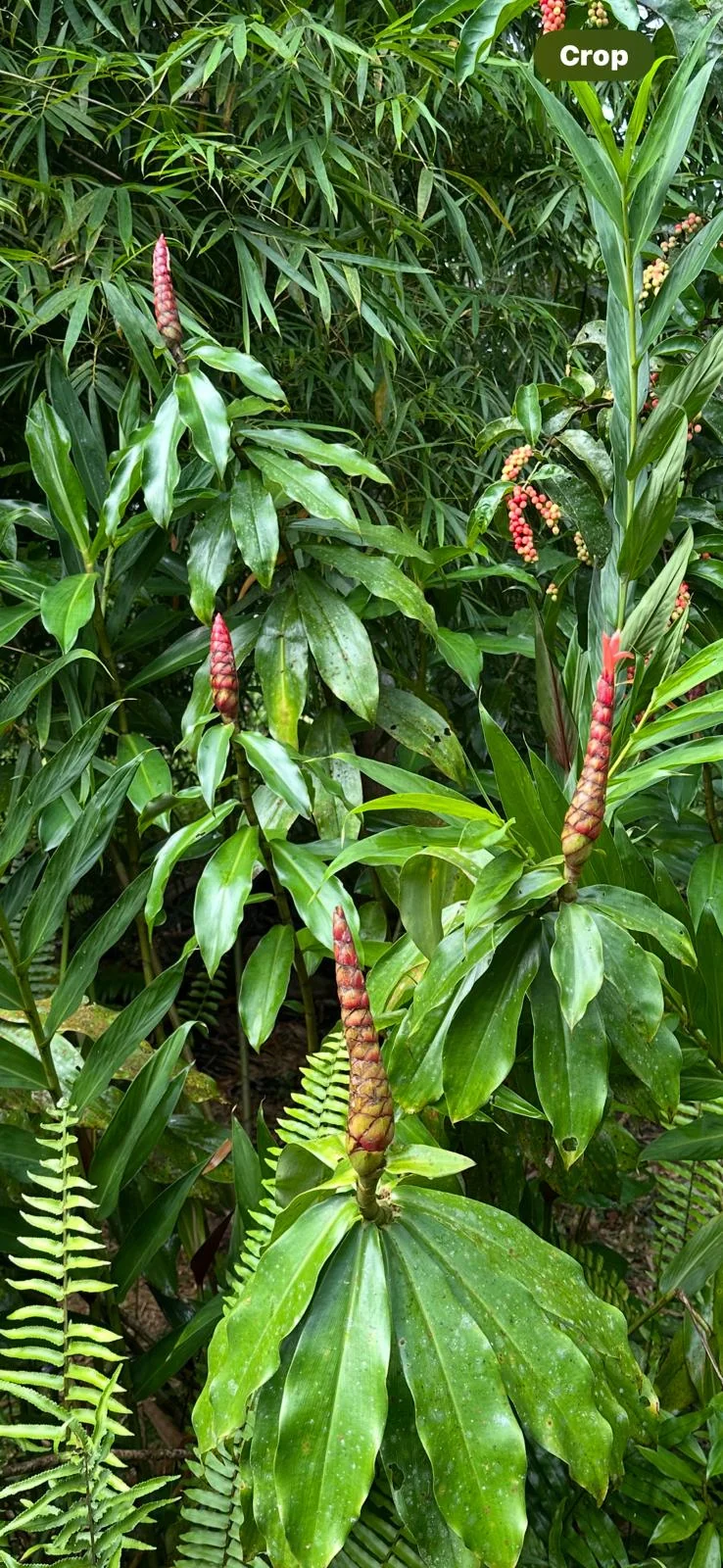
Crepe Ginger (Costus speciosus) — Flower buds, petals, and young leaves are sweet and delicate. Eaten fresh or lightly cooked, like spinach.
Spiral Ginger (Costus spp.) — Flowers and shoots range from sweet to tangy. Used in salads and garnishes across Asia.
"Ginger is more than a spice — it's a scientifically validated natural medicine."
Wellness and tradition — the simple ritual of Jamaican ginger tea
Science Meets Tradition
For millennia, ginger has held an essential place in Ayurvedic, Chinese, and Caribbean medicine. It's been used to ease muscle and joint pain, respiratory issues, cardiovascular and neurological disorders, oral health conditions, and digestive problems including nausea, bloating, gastritis, and ulcers.
At home, Jamaicans still reach for ginger tea to treat colds, upset stomachs, or fatigue. While generally safe, ongoing research continues to explore its complex mechanisms of action.
Scientific studies confirm ginger's gastroprotective and anti-emetic (nausea-reducing) effects. It can protect the stomach from ulcers caused by NSAIDs (like aspirin), alcohol, stress, Helicobacter pylori infection, and laboratory-induced acid exposure. These benefits are linked to gingerols and shogaols, potent compounds found in the rhizome.
The Root of Economic Potential
With global demand for natural remedies, herbal supplements, and functional foods on the rise, ginger's star continues to shine. From teas and tonics to oils, extracts, and powders, its versatility makes it a valuable export.
For Jamaica, revitalizing the ginger industry is both an economic and cultural opportunity — a chance to reconnect with a crop that once placed the island among the world's agricultural leaders.